




Verified
The tablet was easy to fit into my morning routine. I still had to change evening snacks, and the scale moved slowly, but tracking my waist helped me stay realistic.
1 Nov 2026

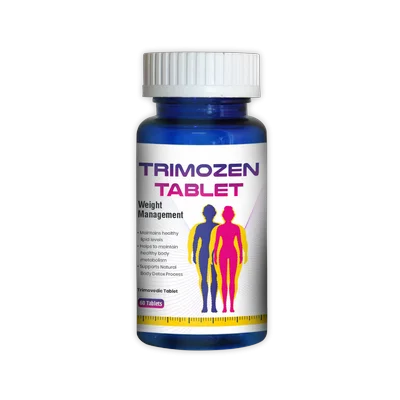
Weight management involves nutrition, movement, sleep, and metabolic health. It is supplied as a bottle containing 60 tablets.
Trimozen is intended for adults working toward weight-management goals. Its labelled purpose is weight management, so it fits within the wider category of dietary products used alongside calorie-aware eating patterns and regular physical activity.
Trimozen tablets are designed for oral use by adults. The product is most relevant to people who want a convenient tablet format that can be included in an organised weight-management plan.
The confirmed product facts support the following points:
A product labelled for weight management may support a routine, but it cannot promise a fixed amount of weight loss. Calorie intake, activity, sleep, medical conditions, and adherence all influence results. The World Health Organization describes weight management as a long-term health process involving diet, physical activity, and related behaviours [1].
Use the following practical principles:
The correct approach after a missed dose depends on how close it is to the next scheduled dose. Avoid doubling doses unless a clinician has specifically instructed you to do so.
The product should not be used to justify severe calorie restriction. Very low food intake can cause dizziness, constipation, weakness, irritability, and loss of lean tissue, even when weight falls quickly.
A regular meal pattern can make it easier to identify whether symptoms are related to the tablet, dietary changes, dehydration, or another health issue. Adequate fluid intake also supports normal bowel function, although fluid needs vary with climate, activity, kidney function, and other conditions.
Do not use alcohol as a substitute for food while following a weight-management plan. Alcohol can add calories, impair judgement around eating, and worsen dizziness or poor concentration in susceptible people.
The practical role of a weight-management tablet is usually supportive. It may help a person maintain a planned routine, but changes in body weight still depend on energy intake, activity, sleep, and the presence of conditions such as insulin resistance or thyroid disease.
NICE guidance on overweight and obesity management describes weight reduction as a sustained behavioural and clinical process rather than a single-product intervention [2]. That approach is relevant to Trimozen because the tablet should be used within a structured plan.
Trimozen is intended for adults working toward weight-management goals. Its labelled purpose is weight management, so it fits within the wider category of dietary products used alongside calorie-aware eating patterns and regular physical activity.
Trimozen belongs to the dietary-support category. Other approaches differ by their main method rather than by brand name.
| Approach | Main role | Main limitation |
|---|---|---|
| Trimozen tablet support | Adds a convenient tablet routine to lifestyle changes | Ingredient-specific effects depend on the confirmed formulation |
| Food-and-activity programme | Changes calorie intake, movement, and daily habits | Progress can be gradual and requires sustained participation |
| Clinician-led weight treatment | Investigates medical causes and may use monitored therapy | Requires assessment, follow-up, and attention to contraindications |
Lifestyle treatment remains the foundation. Clinician-led care becomes more important when weight gain is rapid, symptoms suggest diabetes or thyroid disease, or previous efforts have produced repeated regain.
Trimozen may be useful for adults who prefer a tablet routine, yet a tablet cannot measure food intake, correct sleep deprivation, or diagnose a metabolic disorder. It also should not be combined casually with stimulant products, appetite suppressants, laxatives, or multiple herbal blends.
The regimen should not be started when unexplained weight loss is already occurring. Unintentional weight loss can signal diabetes, thyroid disease, gastrointestinal illness, infection, or another condition that requires diagnosis.
People taking medicines for diabetes should monitor for symptoms of low blood glucose if their food intake changes. People using medicines for blood pressure may also need monitoring if dehydration, reduced food intake, or vomiting occurs.
Trimozen is not suitable for everyone. NOT for you if you are pregnant, breastfeeding, under 18, have an eating disorder, or have unexplained weight loss; seek clinical advice before considering it.
Possible symptoms include:
Mild digestive discomfort may improve when meals and fluid intake remain regular. Persistent symptoms, worsening weakness, or repeated dizziness require a review of the product and the wider weight-management plan.
Stop taking the product and seek urgent medical attention for facial or throat swelling, breathing difficulty, fainting, severe chest pain, a severe rash with blistering, confusion, or a racing heartbeat that does not settle. The FDA warns that weight-loss products may contain pharmacologically active substances and can cause clinically significant adverse effects, which is why ingredient-specific assessment matters [3].
Several routine errors can make weight management harder or increase the chance of side effects.
Clinicians usually set realistic expectations for weight-management tablets. A reasonable early goal is a stable routine, improved meal control, and measurable progress over time rather than a dramatic change within days.
Doctors also look for causes of weight change. A medical review is more urgent when weight changes rapidly, appetite becomes extreme, thirst and urination increase, or fatigue interferes with ordinary work.
A practical clinical assessment may include:
The European Medicines Agency evaluates medicines according to their active substances, quality, benefits, and risks. That framework shows why a tablet’s medical effect cannot be judged from its intended use alone; the confirmed composition determines the relevant evidence and warnings [4].
Trimozen should not be started in anyone under 18 unless a qualified clinician has specifically assessed the person and confirmed its use. Weight management in adolescents requires attention to growth, nutrition, mental health, activity, and family circumstances. WHO guidance published in 2020 supports age-appropriate nutrition and physical activity rather than unsupervised adult weight-loss routines. The product’s adult-oriented purpose makes professional assessment essential for younger users.
Do not increase the dose or combine Trimozen with another weight-management product when progress is slower than expected. NICE guidance updated in 2025 supports reviewing food intake, activity, sleep, medicines, and medical causes instead of relying on rapid results. A clinician can assess whether the regimen is appropriate and whether diabetes, thyroid disease, medication-related weight gain, or fluid retention needs investigation. Keep a record of weight, waist size, meals, activity, and symptoms for that discussion.
Alcohol is best avoided until the formulation and personal risks have been reviewed, especially if dizziness, poor sleep, diabetes, liver disease, or medicines affecting the nervous system are present. WHO guidance from 2023 describes alcohol as a source of additional health risk and calories, which can undermine a weight-management plan. Alcohol may also make it harder to recognise dizziness or low blood glucose after reduced food intake. Never use alcohol to replace a meal around the time of a tablet.
Stop the product and seek urgent care for breathing difficulty, swelling of the lips or throat, fainting, severe chest pain, confusion, a severe blistering rash, or a sustained racing heartbeat. FDA safety information published in 2024 warns that some weight-loss products can produce serious reactions when active substances are present. Severe vomiting, inability to keep fluids down, or marked weakness also warrants prompt assessment. Do not take another dose until the cause has been evaluated.
Do not drive or operate machinery if Trimozen causes dizziness, drowsiness, blurred vision, tremor, agitation, or poor concentration. The Indian Road Safety framework and CDSCO guidance from 2023 both support avoiding safety-sensitive tasks when a medicine or supplement impairs alertness. The first doses deserve extra caution because individual response is not predictable from the product category alone. Alcohol can worsen impairment and should not be combined with driving or hazardous work.
The tablet was easy to fit into my morning routine. I still had to change evening snacks, and the scale moved slowly, but tracking my waist helped me stay realistic.
I expected a quick difference and felt disappointed during the first two weeks. My appetite routine became easier after I stopped skipping breakfast, although I noticed mild stomach discomfort at the start.
I wanted help with weight control, but my clinician first reviewed my blood pressure and diabetes medicines. The process was slower than I hoped, and I did not increase the tablets when progress paused.